DLSS vs FSR in 2026: What a Massive Blind Test Actually Reveals About Upscaling
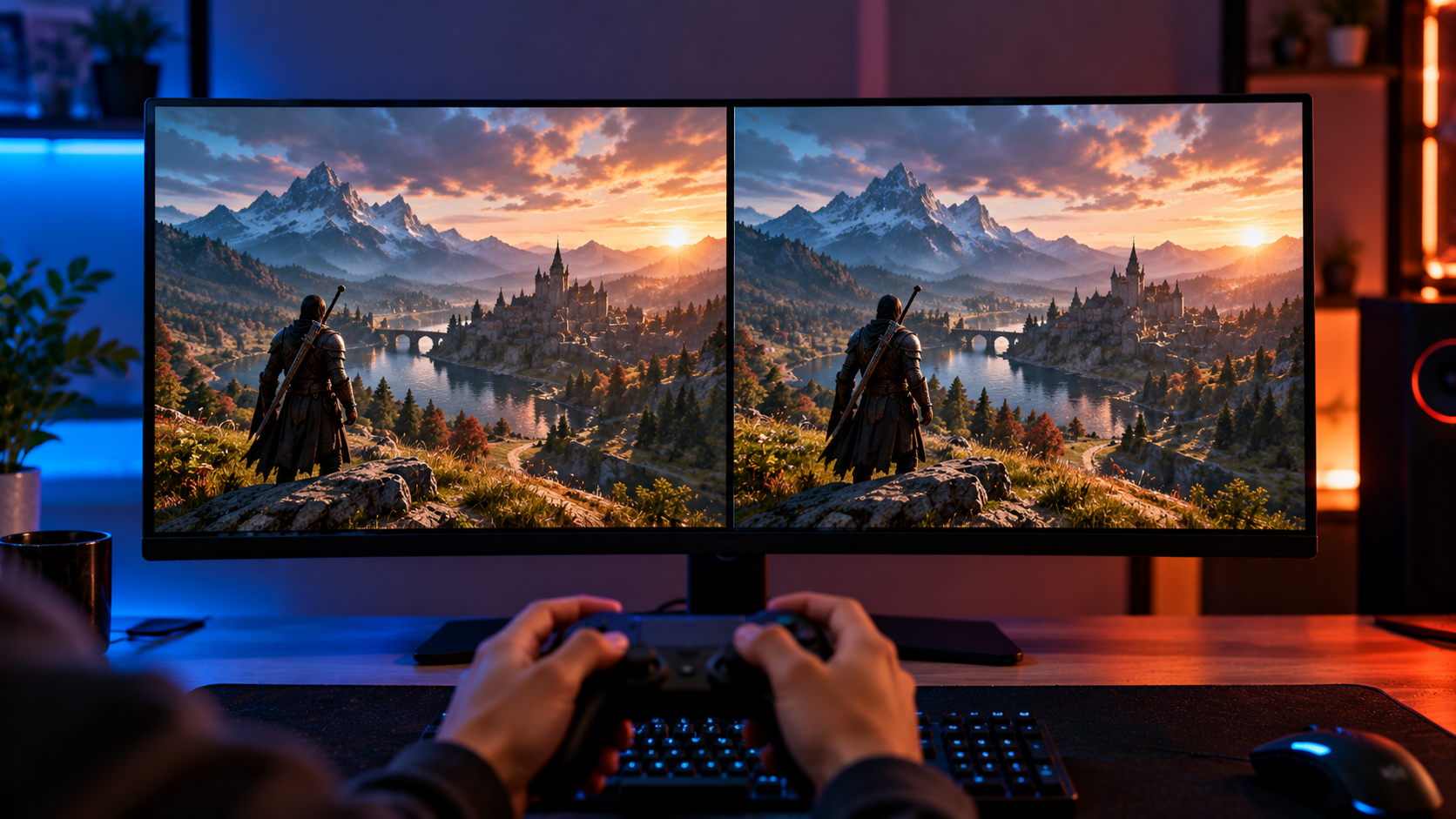
DLSS vs FSR, For years, the debate between NVIDIA’s DLSS and AMD’s FSR has played out mostly in forums, comment sections, and YouTube comparison videos, often colored heavily by which brand of graphics card the person doing the comparing happened to own. That changed recently when a large scale blind test removed brand bias from the equation entirely, and the results have become one of the most talked about hardware stories of the year. If you have seen headlines about this test and wondered what it actually means for your next graphics card purchase, here is the full picture.
What actually happened in this test
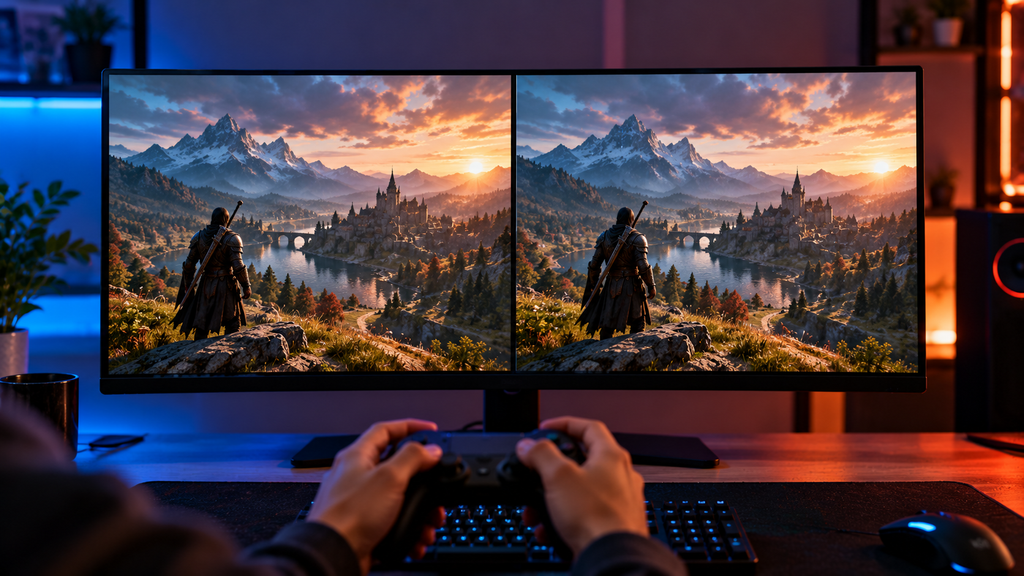
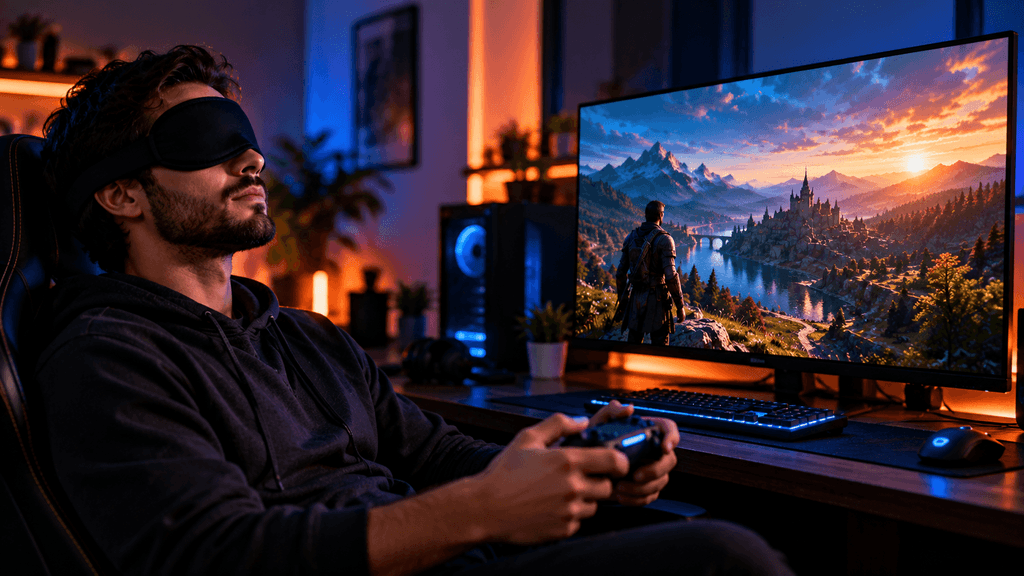
The German publication ComputerBase ran an online blind test comparing the image quality of Nvidia’s DLSS 4.5 against AMD’s FSR 4 and native resolution rendering using standard temporal anti aliasing, across six major current games. Over 6,500 gamers took part, making it one of the largest blind comparisons of its kind. The test ran at 4K resolution using the quality preset for both upscaling technologies, across titles including Anno 117, ARC Raiders, Cyberpunk 2077, Horizon Forbidden West, Satisfactory, and The Last of Us Part II. nvidia dlss 4 5 beats native resolution and amd fsr 4 in blind image quality test +2
Crucially, participants did not know which rendering method they were looking at in each comparison. They were simply shown footage and asked which looked best, removing the brand loyalty and preconceptions that normally color these discussions. This is what makes the results genuinely significant rather than just another opinion piece.(DLSS vs FSR)
The results, and why they surprised a lot of people
Of the participants, about 48.2 percent preferred Nvidia’s DLSS 4.5, while roughly 24 percent preferred native rendering, and only around 15 percent preferred AMD’s FSR 4, with the remaining participants finding the three nearly equivalent. DLSS 4.5 emerged as the winner across every single game tested, not just on average. notebookcheckkitguru
What makes this genuinely notable is not simply that DLSS won. It is that upscaled, AI reconstructed footage beat native resolution rendering, the long held gold standard that upscaling technologies have always been measured against and historically fell short of. This result does not entirely surprise people who follow usage data closely, since most Nvidia GPU owners already enable DLSS whenever it is available, and this test now shows many of them genuinely prefer how it looks, not just how it performs. birchtree
The gap was not uniform across every game. In titles like Satisfactory and Horizon Forbidden West, the difference between DLSS 4.5 and FSR 4 was especially wide, while in Cyberpunk 2077, a notable portion of participants, around 23 percent, could not perceive much difference between the two at all. That detail matters, because it suggests the real world gap between these technologies is not constant. It depends heavily on how well a specific game has implemented each upscaling method, not purely on the underlying technology itself. tomsguide(DLSS vs FSR)
A quick refresher on what these technologies actually do
Both DLSS and FSR exist to solve the same basic problem. Rendering a game at full native resolution, especially with demanding visual settings like ray tracing enabled, takes a huge amount of graphics processing power. Upscaling technologies render the game internally at a lower resolution, which is much faster, and then use an algorithm to intelligently reconstruct a sharper, more detailed final image before it reaches your screen.
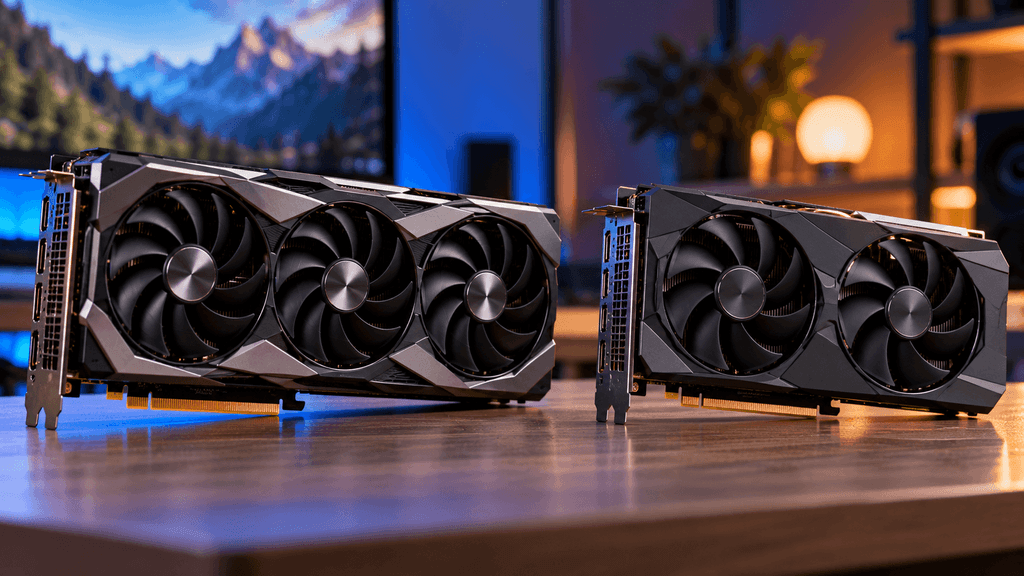
The difference between the two mainly comes down to how that reconstruction happens. DLSS relies on dedicated AI hardware built directly into NVIDIA’s graphics cards, using a neural network trained specifically to upscale game footage convincingly. FSR 4 has moved toward a similar machine learning based approach in its newer versions, a shift from earlier FSR versions which relied on more traditional, non AI based upscaling methods. That earlier approach was a big part of why older FSR versions generally lagged behind DLSS in image quality comparisons, and the newer machine learning based FSR 4 represents AMD’s attempt to close that gap. kitguru(DLSS vs FSR)
Why FSR has improved but still trails behind
The test results do show that FSR 4 provides a meaningful boost in frame rates and has improved over previous versions by reducing ghosting artifacts and better preserving fine details like particle effects. This is a real, measurable step forward from AMD, and it should not be dismissed just because it did not win this particular comparison. The gap between FSR 4 and DLSS 4.5 is considerably smaller than the gap that existed between DLSS and older versions of FSR just a couple of years ago. kitguru(DLSS vs FSR)
Part of the remaining gap likely comes down to hardware maturity. Nvidia has been refining its AI upscaling approach for several generations now, with dedicated hardware built specifically around this task across multiple product cycles. AMD’s shift to a fully machine learning based approach with FSR 4 is comparatively newer, and it is reasonable to expect that gap to continue narrowing as the technology matures further, the same way DLSS itself improved significantly between its early rough versions and its current, more refined implementation.(DLSS vs FSR)
What this means if you are choosing between an Nvidia and AMD graphics card
This is where the blind test results actually become practically useful rather than just an interesting headline. If image quality while using upscaling is a significant factor in your buying decision, particularly if you play at 4K resolution where upscaling is used most often to maintain playable frame rates, this test gives real, bias free evidence that Nvidia currently holds a meaningful advantage in this specific area.(DLSS vs FSR)
That said, this is one factor among several, not the only one that should decide a graphics card purchase. Raw rendering performance without upscaling, price at your specific budget tier, availability given the current component shortage affecting the whole market, power consumption, and driver software quality all matter too, and AMD cards frequently offer strong value in several of these areas even when trailing in upscaled image quality specifically.(DLSS vs FSR)
It is also worth noting that current Steam hardware survey data shows more PC gamers now using graphics cards with 16GB of video memory than cards with 8GB, a separate but related trend showing how quickly expectations around graphics card capability are shifting, partly driven by demanding modern games and partly by increased confidence in upscaling technology to handle higher resolutions without needing as much raw native rendering power. tweaktown
A healthy amount of skepticism is still worth keeping
No single test, however well designed, should be treated as the absolute final word on a topic this subjective. Image quality preference involves real individual variation, and a blind test measuring which image people prefer on first glance is not necessarily the same as measuring which image holds up best during actual extended gameplay, where motion, fast camera movement, and sustained attention can reveal different strengths and weaknesses than a short comparison clip might show.(DLSS vs FSR)
It is also fair to point out that the majority of PC gamers currently own Nvidia graphics cards, and widespread exposure to DLSS specifically may shape some unconscious expectations of what upscaled footage is supposed to look like, even in a properly randomized blind test. None of this means the results are not meaningful, but it is reasonable context before treating this as a complete, permanent verdict on either technology. 3dtested
The bigger trend this test actually points to
Stepping back from the specific scores, the broader story here is arguably more important than which company won this particular test. Upscaled, AI reconstructed image quality has now reached a point where it can beat native resolution rendering in a genuinely blind comparison, something that would have seemed unlikely to a lot of PC gamers just a few years ago, when upscaling carried a reputation for blurriness, shimmering artifacts, and obvious visual compromises.(DLSS vs FSR)
This also lines up with a broader pattern where upscaled footage does not just look comparable, it frequently comes with meaningfully higher frame rates and correspondingly lower input latency than native rendering, meaning the practical gaming experience improves on multiple fronts simultaneously, not just visually. That combination, equal or better image quality alongside tangibly better performance, is a significant shift in how PC gamers should think about upscaling technology going forward. It is no longer accurately described as a compromise you accept to hit a playable frame rate. For a growing number of games and situations, it is becoming simply the better way to render the image, full stop. birchtree(DLSS vs FSR)
Should this change how you play your current games
If you own an Nvidia graphics card with DLSS support and have been avoiding upscaling out of habit or an outdated impression of what it used to look like, this is a reasonable moment to genuinely reconsider. Try enabling DLSS at the quality preset in a demanding game you already own and compare it directly against native rendering yourself, ideally paying attention to both visual detail and your actual frame rate, rather than relying on secondhand opinions from a few years ago that may no longer reflect the current state of the technology.
If you own an AMD graphics card, FSR 4 represents a genuine improvement worth using as well, even if this particular blind test showed it trailing DLSS specifically. The frame rate and smoothness benefits remain real and worth taking advantage of, particularly in demanding titles at higher resolutions where native rendering alone may struggle to maintain a comfortable frame rate.(DLSS vs FSR)
What to watch going forward
Nvidia has already signaled more significant hardware announcements are coming, with its CEO describing an upcoming chip that will reportedly surprise the industry. Given how quickly upscaling technology has evolved over just the past couple of generations, from early, clearly compromised versions to results now beating native rendering in blind testing, it is reasonable to expect both companies to continue pushing this technology forward aggressively rather than treating current results as a finish line. AMD in particular has strong incentive to keep closing the gap shown in this test, and based on the pace of improvement from FSR 3 to FSR 4, further meaningful gains seem likely rather than unlikely. tomsguide
The bottom line on DLSS vs FSR right now
A large, genuinely unbiased blind test has shown that Nvidia’s current DLSS 4.5 technology produces image quality that a plurality of gamers prefer over both native rendering and AMD’s FSR 4, a result that would have seemed unlikely for upscaling technology in general just a few years ago. AMD’s FSR 4 has made real, measurable progress and remains a legitimate, worthwhile tool, even while trailing in this specific comparison. For anyone weighing a graphics card purchase where upscaled image quality genuinely matters to your use case, this test offers real, bias free evidence to factor into that decision, though it should sit alongside price, availability, raw performance, and your specific games, not replace consideration of them entirely.(DLSS vs FSR)
Have you tried DLSS or FSR recently with fresh eyes, and did your own impression match what this test found? Let us know in the comments.
FAQ: DLSS vs FSR in 2026
What did the DLSS vs FSR blind test actually find?
A blind test of over 6,500 gamers across six games found that about 48 percent preferred Nvidia DLSS 4.5’s image quality, compared to around 24 percent for native rendering and about 15 percent for AMD FSR 4, with DLSS winning in every game tested.
Does this mean FSR is bad?
No. FSR 4 showed real improvement over previous versions, including better frame rates and reduced visual artifacts compared to earlier FSR generations. It simply did not match DLSS 4.5 in this specific blind image quality comparison.(DLSS vs FSR)
Is upscaled image quality really better than native resolution now?
According to this blind test, a plurality of participants preferred DLSS 4.5 over native rendering, which represents a significant shift from how upscaling technology was perceived just a few years ago.(DLSS vs FSR)
Should I switch to an Nvidia graphics card based on this test alone?
Image quality is only one factor in a graphics card decision. Price, availability, raw performance, and power efficiency all matter too, so this test should inform your decision rather than be the only factor behind it.(DLSS vs FSR)
Does upscaling affect input latency and frame rate, not just image quality?
Yes, upscaling technologies generally produce meaningfully higher frame rates than native rendering, which also tends to improve input latency, since both are closely tied to how many frames your system can produce per second.(DLSS vs FSR)
Will AMD’s FSR eventually catch up to DLSS in image quality?
Based on the improvement shown between older FSR versions and the newer machine learning based FSR 4, continued progress seems likely, though the current blind test results show Nvidia still holds a clear lead for now.(DLSS vs FSR)
More Useful Tools
Vertical Stack Ceiling Clearance Calculator | Monitor Stack Height Tool
Under-Desk Mount Torque Calculator | PC Mount Load Checker
Desk Boundary Bass Gain Estimator | Speaker Boominess Calculator