Handheld Gaming PCs Explained: Are They Worth It or Just a Trend in 2026?
Handheld Gaming PCs Explained
A few years ago, playing PC games away from your desk meant streaming from your main rig or not playing at all. Now handheld gaming PCs are everywhere, sitting next to phones and tablets in tech reviews, showing up in Kickstarter campaigns, and filling out comparison charts online. But before you spend real money on one, it helps to understand what these devices actually are and whether they fit how you actually play.
What a handheld gaming PC actually is
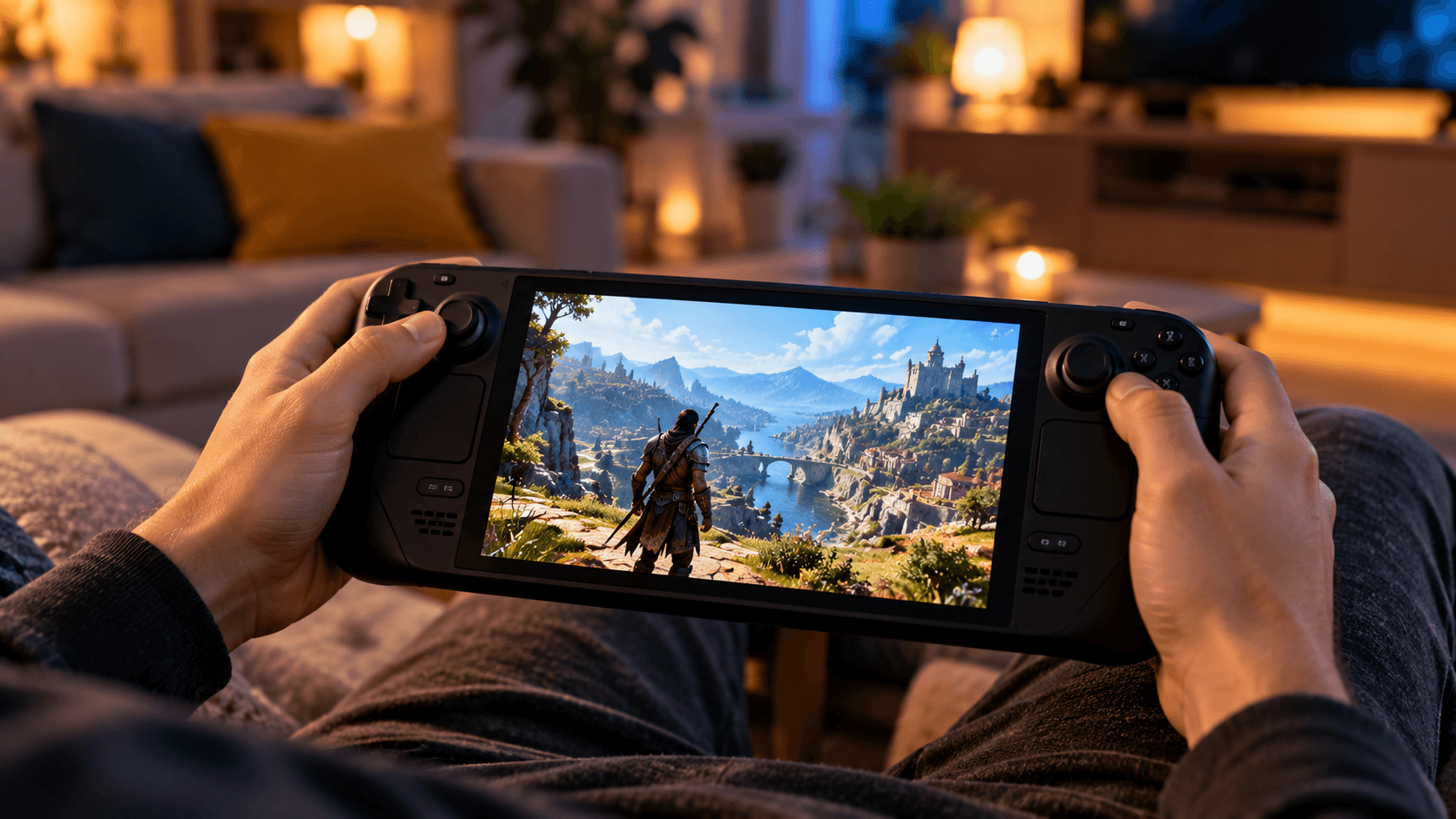
A handheld gaming PC is essentially a small, battery powered computer built into a controller shaped body, with a screen, joysticks, and buttons attached directly to it. Unlike a phone or tablet running mobile versions of games, these devices run real PC games, often your existing library from platforms you already use. Some run a specialized version of a desktop operating system, while others run a more traditional one with a game focused interface layered on top.
The simplest way to think about it is this. It is a full gaming PC squeezed into a shape you can hold in two hands.
Why people are actually buying them
The biggest appeal is freedom from your desk. You can play games in bed, on a couch, during travel, or anywhere else a traditional PC setup could never go. For people who already own a large PC game library, a handheld means you do not have to rebuy games on a different platform just to play somewhere else.
There is also a practical side for smaller households or shared spaces. Not everyone has room for a dedicated gaming desk, and a handheld gives you a real gaming experience without needing one.
What to actually check before buying one
Battery life is not one number. Manufacturers often advertise battery life under light use, not while running demanding games. Real battery life during actual gameplay is usually shorter, sometimes significantly so. Look for reviews that test battery life in real games, not just the marketing spec sheet.
Weight matters more than people expect. A device that feels fine for ten minutes can feel very different after an hour of holding it up. If possible, check the actual weight in grams and compare it to something familiar, like a standard controller or a paperback book.
Screen size and resolution affect comfort. A larger screen can make games easier to see but also adds weight and reduces battery life. Higher resolution looks sharper but demands more from the hardware, which can mean lower frame rates in demanding games.
Performance varies a lot between models. Not every handheld can run every game well. Some handle older or less demanding titles smoothly but struggle with newer, graphically heavy releases. Check benchmarks for the specific games you actually want to play, not just general performance claims.
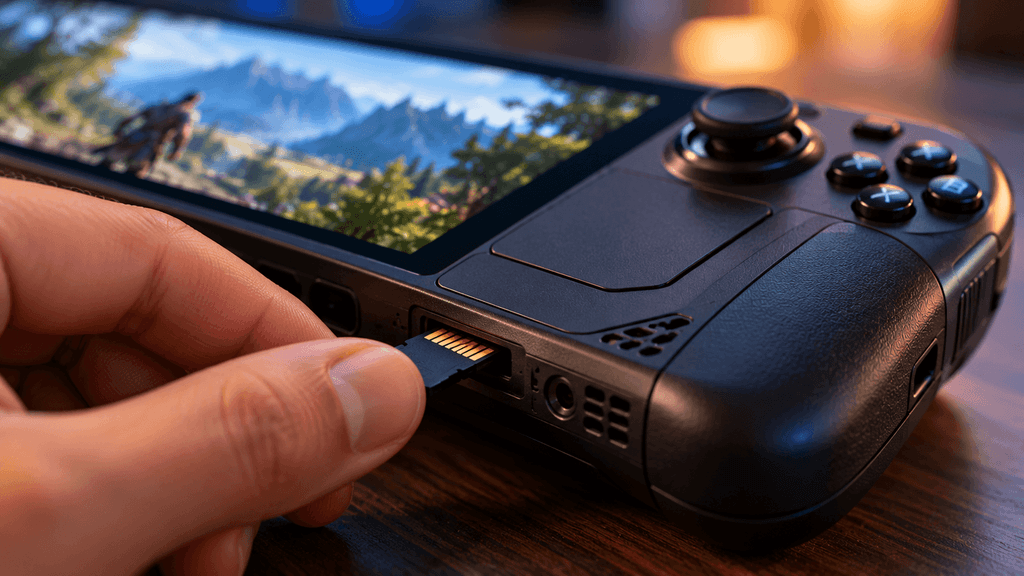
Storage fills up fast. Modern games are large, and many handhelds ship with modest built in storage. Check whether the device supports expandable storage before assuming the included amount will be enough.
The downsides nobody mentions in the unboxing videos
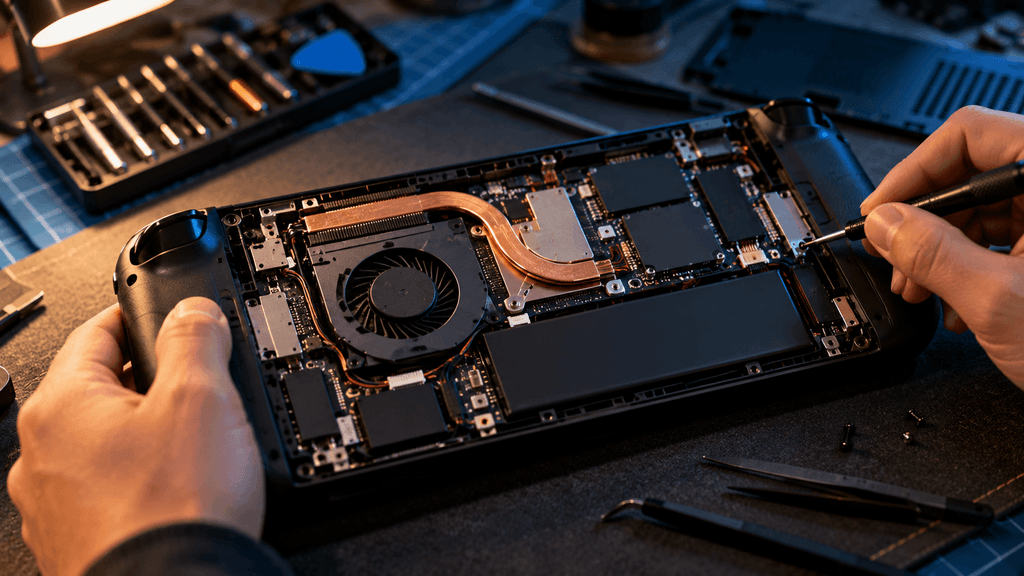
Fan noise can be noticeable. Powerful hardware packed into a small body needs cooling, and small fans working hard can be surprisingly loud, especially in a quiet room.
Heat builds up in your hands. During longer sessions, the body of the device can get warm, sometimes uncomfortably so, depending on the game and the cooling design.
Not every game works perfectly. Even on PC based handhelds, some games are not well optimized for smaller screens or controller only input, and a few titles may not run well at all.
Prices climb fast for better performance. Entry level handhelds are reasonably priced, but stepping up to significantly better performance often comes with a steep jump in cost, sometimes approaching the price of a full desktop build.
Kickstarter and crowdfunded handhelds deserve extra caution
The handheld space has attracted a wave of crowdfunded projects promising impressive specs at low prices. Before backing one, look closely at whether the company has shipped a product before, read independent hands on impressions if any exist, and treat launch dates as optimistic estimates rather than guarantees. A cheap price from an unproven company carries more risk than a slightly higher price from an established brand.
Who a handheld gaming PC actually makes sense for
If you already own a solid gaming PC and just want the option to play away from your desk sometimes, a handheld can be a genuinely great addition. If you travel often or live in a smaller space without room for a full setup, it can effectively become your main way of playing. If you are looking for your very first gaming device and mostly play competitive or demanding modern titles, a desktop or console may still give you a smoother, more reliable experience for similar or less money.
The bottom line on handheld gaming PCs
Handheld gaming PCs are not just hype. For the right person, they genuinely change how and where gaming fits into daily life. But they come with real tradeoffs in battery life, heat, noise, and price that marketing materials rarely highlight. Check real world reviews for the specific games and use cases you care about before deciding, rather than buying based on a spec sheet or an exciting demo video.
Do you already own a handheld gaming PC, or are you still deciding if one is worth it? Let us know in the comments.
FAQ: Handheld Gaming PCs
Add this using the Rank Math FAQ block, right before the comments prompt.
Are handheld gaming PCs as powerful as a desktop?
No, not typically. Handheld gaming PCs trade raw performance for portability and battery efficiency, so they generally run games at lower settings or resolutions than a comparable desktop with a full sized graphics card.
Can a handheld gaming PC play games from my existing library?
Many handheld gaming PCs run a version of a desktop operating system, which means they can access game libraries you already own on platforms you already use, unlike mobile devices that require separate versions of games.
How long does the battery actually last while gaming?
This varies widely by device and by game, but real world battery life during actual gameplay is often shorter than the manufacturer’s advertised number, which is usually based on lighter use. Check independent reviews that test battery life in demanding games specifically.
Is a handheld gaming PC good for someone who has never owned a gaming device before?
It can be, especially if portability matters to you. However, if you mainly want to play competitive or very demanding modern games, a desktop or console may offer a smoother experience for similar money.
Do handheld gaming PCs get loud or hot during use?
Yes, this is common. Powerful hardware in a small body needs active cooling, and small fans working hard can produce noticeable noise, while the device’s body can also get warm during longer sessions.
Is it safe to back a handheld gaming PC on Kickstarter?
It carries more risk than buying an established product. Look for a company with a track record of shipping previous products, read independent hands on impressions if available, and treat any listed launch date as an estimate rather than a guarantee.
How much storage do I need on a handheld gaming PC?
This depends on how many games you plan to keep installed at once, since modern games can be quite large. Checking whether the device supports expandable storage is important if the built in amount seems limited for your needs.
More Useful Tools
Vertical Stack Ceiling Clearance Calculator | Monitor Stack Height Tool
Under-Desk Mount Torque Calculator | PC Mount Load Checker
Desk Boundary Bass Gain Estimator | Speaker Boominess Calculator