The Great RAM Shortage of 2026: Why Memory Prices Exploded and What You Should Actually Do About It
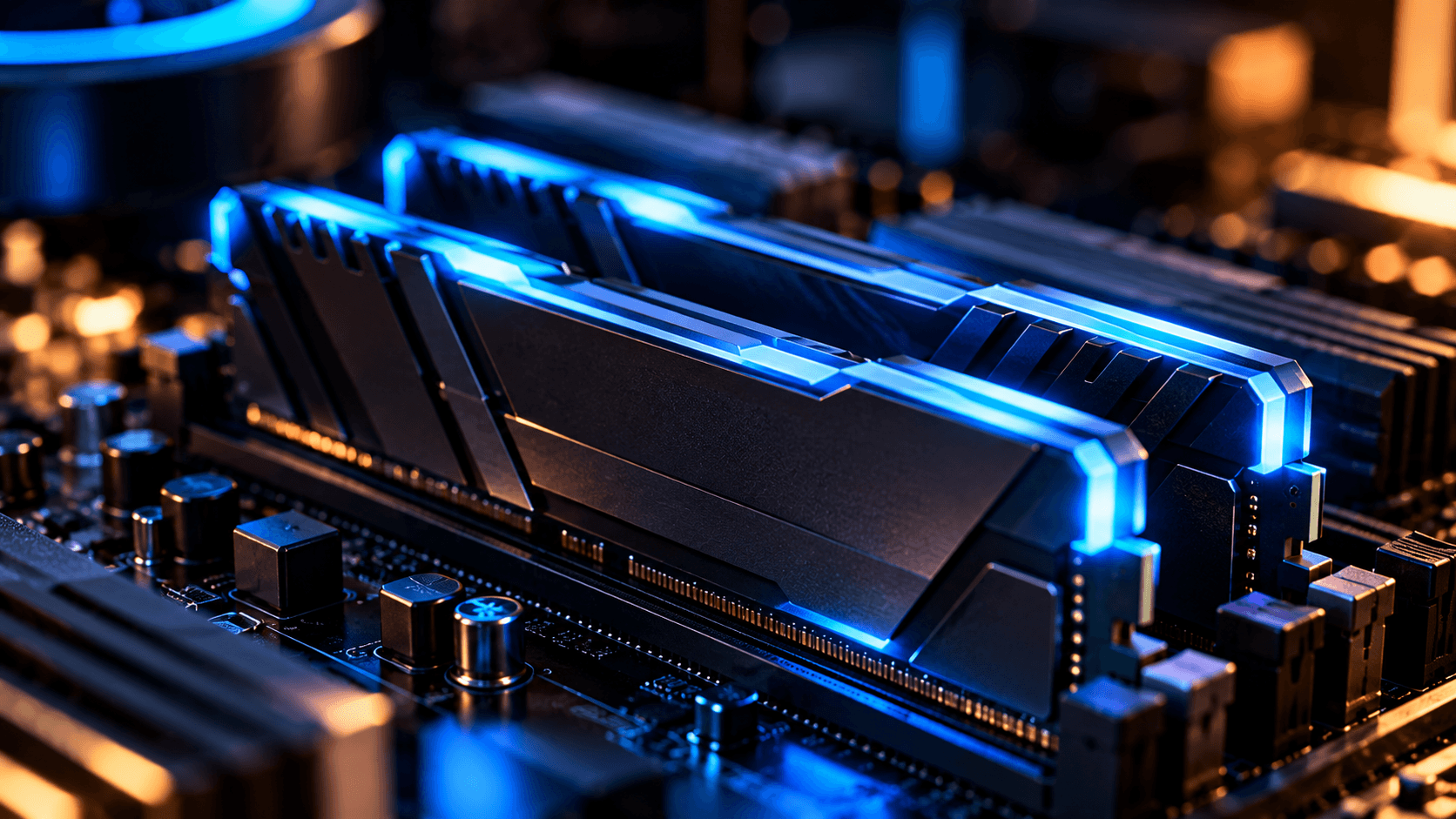
RAM shortage 2026, If you have shopped for a new PC, a laptop, or just a stick of RAM in the last few months, you have probably felt a small shock at the price tag. This is not your imagination, and it is not a random price bump from one retailer. Memory prices have climbed sharply through 2026, and the reasons behind it go far beyond the usual supply and demand story you might expect. Whether you are building a new PC, upgrading an old one, or just trying to understand why laptops suddenly cost more, this guide breaks down what is actually happening and what it means for your wallet.
What is actually going on with RAM prices
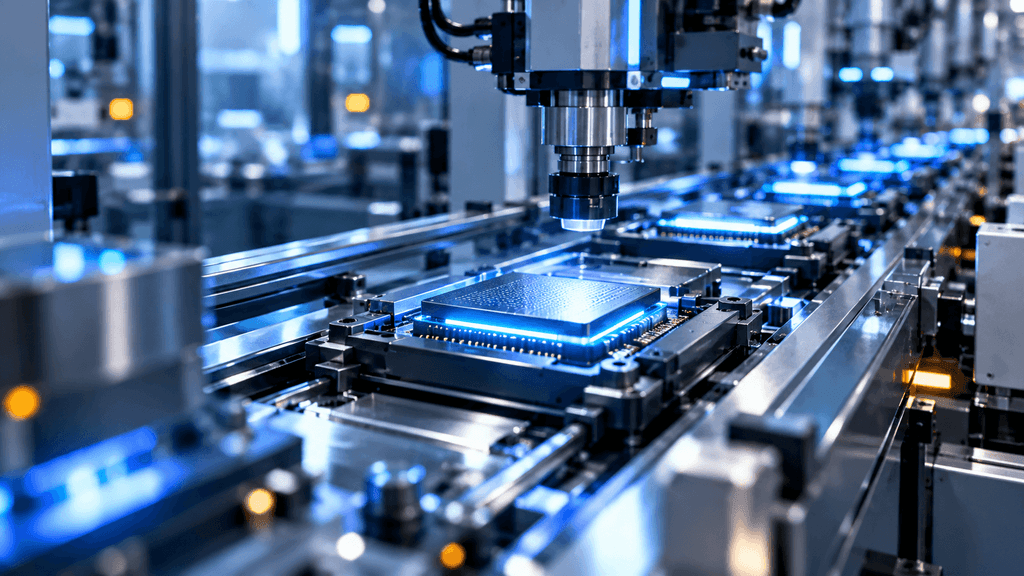
At the center of this shortage is a shift in where memory chips are going. For years, DRAM and NAND flash manufacturers split their production between consumer parts, like the RAM in your desktop, and enterprise parts used in servers and data centers. That balance has broken down. The explosion of AI infrastructure, with companies racing to build massive data centers full of AI accelerators, has created enormous demand for high bandwidth memory, the specialized chips used to feed those systems.(RAM Shortage)
Memory manufacturers make more money supplying that side of the market right now, so factory capacity that used to go toward everyday consumer RAM and SSDs is being redirected toward AI infrastructure instead. Less consumer supply, combined with steady or growing consumer demand, is a straightforward recipe for higher prices.
On top of that, this is not expected to be a short term blip. Industry forecasts point to this supply crunch continuing well into 2027, which means the RAM prices you are seeing now are likely closer to the new normal than a temporary spike.(RAM Shortage)
How much have prices actually gone up
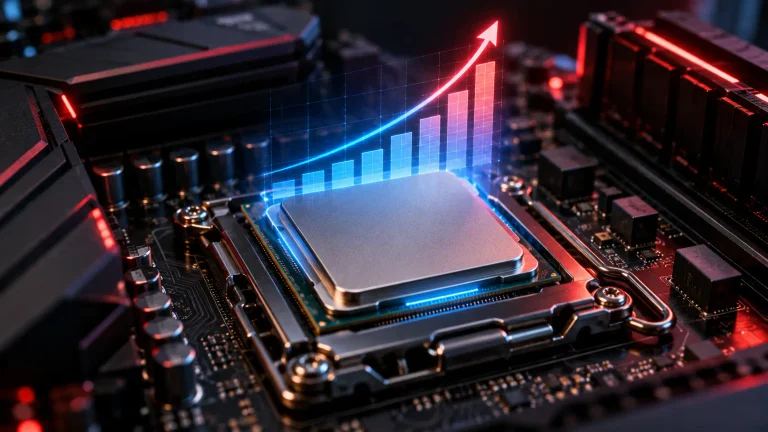
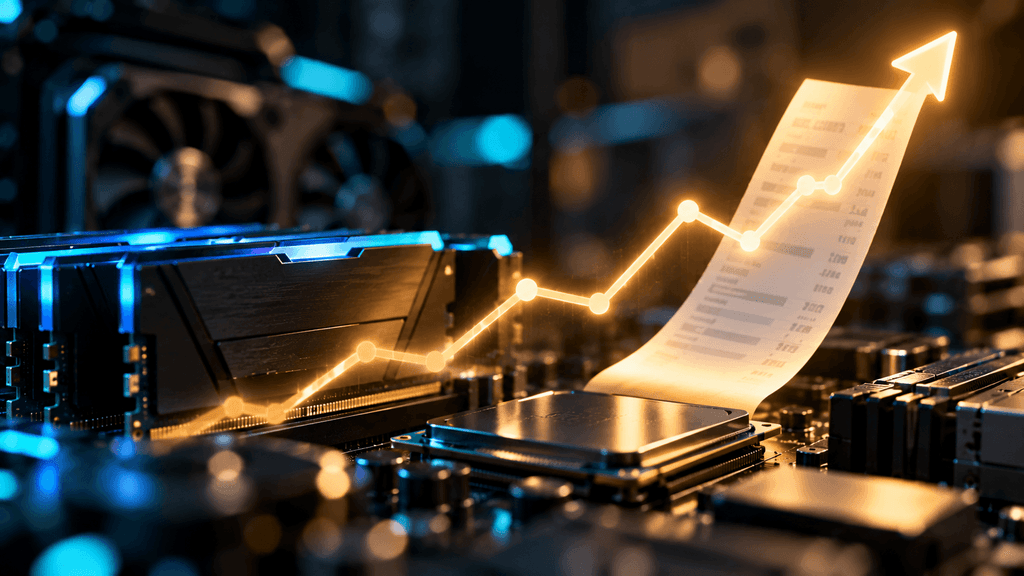
This is not a small adjustment. Reports throughout 2026 have pointed to double digit percentage increases in average selling prices for PC components tied to memory, and some individual RAM kits have seen far larger jumps depending on capacity and speed. Laptop and desktop prices overall have also crept upward, since manufacturers are absorbing higher costs for the memory built into every device they sell.
If you compare prices on the same RAM kit from a year ago to today, do not be surprised if the difference is significant. This is one of those moments in tech where waiting for prices to drop is not a safe assumption the way it usually is with electronics.(RAM Shortage)
Why this affects more than just RAM sticks
It is easy to assume this only matters if you are buying a bare stick of memory to upgrade your desktop. In reality, the shortage touches almost everything with a chip in it.
Laptops are affected because memory is often soldered directly onto the motherboard, and manufacturers buy that memory in bulk long before your laptop reaches a store shelf. Rising memory costs get baked into the final price you pay, even if you never see a RAM stick yourself.(RAM Shortage)
Graphics cards use memory too, in the form of VRAM chips on the card itself. Some of the pricing pressure you might notice on newer GPU releases is connected to the same supply squeeze.(RAM Shortage)
Solid state drives rely on NAND flash, which is a close cousin of the same manufacturing world as RAM. The same factories and the same shift toward AI focused production are putting upward pressure on SSD prices as well, not just RAM.(RAM Shortage)
Prebuilt PCs and gaming consoles bundle all of this together, so even if you never touch a component yourself, the sticker price on a finished system reflects these increases.
In short, almost nothing in the PC and laptop world is fully insulated from this shortage.
Should you buy RAM right now, or wait
This is the question everyone actually wants answered, and there is no single right answer for every situation. Here is how to think about it based on your situation.
If you are building or upgrading soon anyway, buying now is generally the safer choice. With forecasts suggesting the shortage continues rather than resolves quickly, waiting is more likely to mean paying more later than less.(RAM Shortage)
If your current system genuinely works fine, there is no urgent reason to rush into an upgrade purely because of pricing fear. Buying memory you do not need yet, just because prices might rise further, is a gamble rather than a plan.(RAM Shortage)
If you are choosing between buying less RAM now or waiting to afford more later, lean toward buying what fits your budget today rather than delaying the whole purchase. A working system with slightly less memory than your dream build is more useful than an empty desk while you wait for prices to normalize.(RAM Shortage)
If you were planning to buy a laptop this year, know that prices are unlikely to drop significantly in the near term. If you have been holding out for a sale, a modest discount now may be as good as it gets for a while.
How to get the most out of the RAM you already have
Not everyone needs to buy new memory to solve their performance problems. Before spending money at inflated prices, it is worth checking a few things first.
Check if your existing memory is actually being fully used. Open your system’s performance monitor while you work or play, and watch your memory usage. If you rarely come close to your total capacity, more RAM will not meaningfully improve your experience right now.(RAM Shortage)
Make sure your memory profile is enabled. Many systems ship with fast RAM running at slower default speeds because a setting called XMP or EXPO, depending on your platform, is turned off in the BIOS. Enabling it costs nothing and can meaningfully improve performance from memory you already own.(RAM Shortage)
Close background clutter instead of buying more capacity. Browser tabs, startup programs, and background apps can eat up memory quietly. Trimming these down sometimes solves the exact problem people assume requires a hardware upgrade.
Consider upgrading storage instead of memory if that is your real bottleneck. Slow load times and sluggish file access are often a storage problem, not a memory problem. Confirm where your actual slowdown is coming from before spending money in the wrong place.
What this means for buying a prebuilt PC or laptop
If you are shopping for a finished system rather than building your own, a few extra considerations matter right now.
Pay close attention to the exact memory configuration listed, not just the brand and processor. Two laptops that look nearly identical on the surface can have very different memory amounts and speeds, and that difference matters more than ever given current prices.(RAM Shortage)
Be cautious of listings that seem unusually cheap compared to everything else on the market right now. In a period of rising component costs, prices that look too good to be true deserve a second look at the specifications and the seller’s reputation.
If you have any flexibility, buying slightly more memory than you think you need today can save you from a more expensive upgrade later, especially in laptops where the memory often cannot be changed after purchase.(RAM Shortage)
Is there an end in sight
Nobody can predict the exact turning point, but the shortage is generally expected to ease only once memory manufacturers expand production capacity enough to serve both AI infrastructure and consumer markets at the same time. That kind of factory expansion takes real time, often well over a year from planning to production. Industry forecasts currently point toward continued tightness through 2027 rather than a quick fix.
This does not mean prices will only ever go up. Markets like this tend to correct eventually, sometimes sharply, once new supply comes online. But planning your purchases around a price drop that is not clearly scheduled is a riskier bet than working with the market as it exists today.
The bottom line on the RAM shortage
The memory shortage of 2026 is not a marketing story or a temporary sale season quirk. It is a real shift in where the world’s chip manufacturing capacity is going, driven by the scale of AI infrastructure investment happening right now. That shift has made RAM, SSDs, laptops, and even graphics cards more expensive, and the effects are likely to stick around for a while longer.
The best move is not panic buying and it is not stubbornly waiting either. Understand what you actually need, check whether your current hardware is already using its full potential, and make your next purchase with today’s market in mind rather than hoping for a return to yesterday’s prices.
Has the RAM shortage changed your upgrade plans this year? Let us know in the comments.
FAQ: RAM Shortage 2026
Why is RAM so expensive in 2026?
Memory manufacturers have shifted a large portion of their production capacity toward high bandwidth memory used in AI data centers, since that market currently pays more. This has reduced the supply available for everyday consumer RAM and driven prices up significantly.
Will RAM prices go back down soon?
Most industry forecasts point to the shortage continuing through 2027 rather than resolving quickly. Prices could eventually correct once manufacturers expand production capacity, but that typically takes well over a year to happen.
Does the RAM shortage affect laptop prices too?
Yes. Laptop memory is usually soldered onto the motherboard and purchased in bulk by manufacturers, so rising memory costs get built into the final laptop price even though you never buy the RAM separately.
Should I buy RAM now or wait for prices to drop?
If you are building or upgrading a system soon regardless, buying now is generally the safer choice, since prices are not expected to drop significantly in the near term. If your current system works fine, there is no urgent need to rush a purchase.
Is the RAM shortage affecting SSD prices as well?
Yes. NAND flash, the technology behind SSDs, comes from a similar manufacturing base as RAM, and the same shift toward AI focused production is putting upward pressure on SSD prices too.
How can I improve performance without buying more RAM?
Check your actual memory usage first, since many people are not close to using their full capacity. Enabling your memory profile setting, called XMP or EXPO depending on your platform, and closing background programs can also improve performance without spending anything.
Is it worth buying a used PC or laptop instead during the shortage?
It can be a smart option, since used systems were built before the recent price increases and can offer solid memory configurations for less money. Just check the seller’s reputation and confirm the exact specifications before buying.
More Useful Tools
Vertical Stack Ceiling Clearance Calculator | Monitor Stack Height Tool
Under-Desk Mount Torque Calculator | PC Mount Load Checker
Desk Boundary Bass Gain Estimator | Speaker Boominess Calculator